

Shri Radha Vallabh Mandir
Temple History
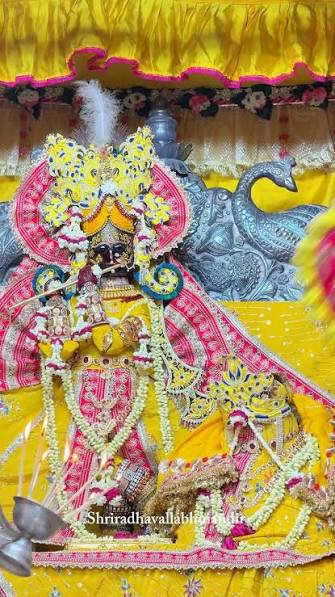
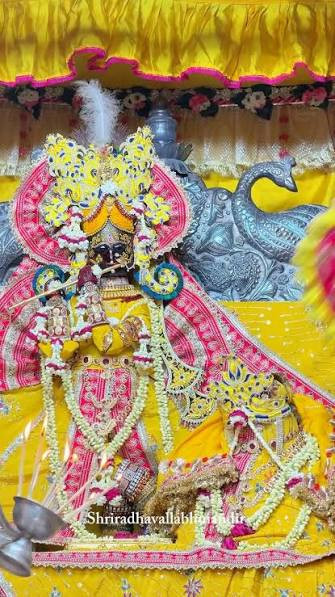
he Shri Radhavallabh Lal Ji Temple in Vrindavan holds profound historical and spiritual significance as the central seat of the Radha Vallabh Sampradaya, founded in 1535 AD by the saint Goswami Hith Harivansh Mahaprabhu. According to sacred tradition, the deity of Shri Radhavallabh Ji was not sculpted by human hands, but was originally given to a Brahmin named Atmadev by Lord Shiva after years of intense penance, and was later entrusted to Goswami Hith Harivansh Mahaprabhu upon his journey to Vrindavan under the instructions of Shri Radha. The temple was initially established at Ouncha Gaon before the divine idol was consecrated in Vrindavan at Madan Ter, near Bankey Bihari Temple, where the original red sandstone shrine was constructed in 1585 AD under the patronage of Sundardas, a courtier of Emperor Akbar. During the reign of Mughal Emperor Aurangzeb in the late 17th century, the sacred idol was temporarily moved to Kama in Rajasthan to protect it from destruction, returning to Vrindavan once peace was restored. Unique to this temple's tradition, there is no separate deity of Goddess Radha beside Lord Krishna; instead, a crown (gaddi) is placed next to Shri Radhavallabh Ji to symbolize Her unseen presence, reflecting the devotion to Rasa Upasana where Radha and Krishna are revered as one eternal divine force.
Temple Significance
The spiritual and cultural significance of the Shri Radhavallabh Lal Ji Temple centers on several unique traditions and philosophies:
-
The Philosophy of Ras-Bhakti: The temple is the principal seat of the Radha Vallabh Sampradaya, which emphasizes pure, unselfish devotion (prema-bhakti) and views divine love as the highest path to spiritual realization.
-
The Inseparable Form of Divinity: Unlike most other Krishna temples, there is no separate physical idol of Goddess Radha beside Lord Krishna. Instead, a consecrated crown (mukut) is placed next to Shri Radhavallabh Ji. This symbolizes that Radha and Krishna are eternally one and inseparable, and that Radha's supreme, divine presence pervades everything invisibly.
-
Worship as "Radha Vallabh": Lord Krishna is revered specifically as Radha Vallabh—meaning the "Consort/Beloved of Radha"—giving precedence to Radha's central role in the theology of love and grace.
-
Focus on Inner Devotion over Rigid Rituals: Founded during the Bhakti movement, the tradition championed an emotional, heart-centered connection with the divine, making the worship intimate, deeply personal, and focused on devotional music and poetry (sajhiya and samaj singing)
Description
Shri Radhavallabh Lal Ji Temple, located in Vrindavan, Uttar Pradesh, is a historical and spiritual sanctuary serving as the central seat of the Radha Vallabh Sampradaya, established in 1535 AD by Saint Goswami Hith Harivansh Mahaprabhu. The self-manifested deity of Shri Radhavallabh Lal Ji carries a divine heritage, originally gifted by Lord Shiva to a Brahmin named Atmadev and later consecrated in Vrindavan by Hith Harivansh Mahaprabhu. In 1585 AD, a landmark red sandstone structure featuring vaulted arches and early Mughal-influenced Hindu architecture was constructed under the patronage of Sundardas, a courtier in Emperor Akbar's administration. Uniquely, the temple houses no separate idol for Goddess Radha; instead, a sacred crown (mukut) rests beside Lord Krishna to symbolize Her invisible, omnipresent, and inseparable oneness with Him under the theology of Rasa Upasana. Today, the temple remains world-renowned for its heritage, emotional prema-bhakti worship, grand celebrations like Radhashtami and Hith Utsav, and the continuous daily tradition of Samaj Gayan—devotional singing of ancient Braj Bhasha poetry.
Temple Timings
Shri Radha Vallabh Mandir Morning Opening Time
05:00 AM - 12:00 PM
Shri Radha Vallabh Mandir Evening Opening Time
05:30 AM - 09:00 AM
Shri Radha Vallabh Mandir Morning Arti Time
05:00 AM
Shri Radha Vallabh Mandir Evening Arti Time
06:30 AM